
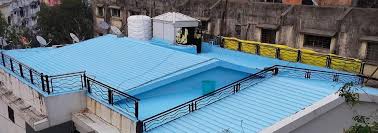
Terrace waterproofing succeeds when expert applicators diagnose root causes, use specification-grade materials, and follow rigorous preparation, application, curing, and testing suited to India’s monsoon, heat, and UV conditions. Future Layers provides certified applicators, technical support, and warranty-backed systems tailored to Indian sites.
How to evaluate applicators
- Experience and specialization: Prioritize teams with proven terrace waterproofing projects, especially in monsoon-prone climates and over similar substrates.
- Reviews and references: Verify workmanship and responsiveness with real project references and balanced customer feedback.
- Site visit and diagnosis: Insist on an on-site inspection with crack/joint mapping, moisture checks, and slope verification before any quote.
- Certifications and warranty: Look for licensed professionals, OEM/brand certifications, and realistic warranty terms aligned to the system’s lifecycle.
- Documented method and QA: Require a written method statement covering prep, priming, coats, thickness, curing, and tests (ponding/flood).
- Price versus value: Compare lifecycle cost, not just the lowest upfront price; durable systems reduce rework and disruptions.
Common terrace systems at a glance
- Polyurethane liquid membranes: Seamless, UV-resistant, flexible; ideal for exposed terraces and movement-prone areas.
- Cementitious coatings: Two-component, concrete-friendly, cost-effective; often used under protective toppings.
- Bituminous/APP sheets: Durable for flat roofs; demand correct priming, overlap bonding, and protection.
- Acrylic elastomerics: Fast application, good UV resistance; suitable for lighter-duty or maintenance scenarios.
Sample scope of work (include in the contract)
- Site inspection and preparation
- Survey cracks, coves, parapets, pipe penetrations, and outlets; record and photograph defects; verify slope ≥1–2% toward drains.
- Mechanically clean surfaces; remove laitance, dust, oils, and loose/failed coatings.
- Repair cracks and honeycombs using epoxy or polymer-modified mortars; form fillets at 90° transitions.
- Priming
- Apply system-compatible primer uniformly; confirm substrate moisture meets product limits.
- Membrane application
- Install the specified system (PU/cementitious/acrylic/APP) in the stated number of coats to the target dry film thickness.
- Reinforce vulnerable zones (corners, joints, parapets, around drains) with mesh or additional layers.
- Detail terminations with appropriate flashings and compatible sealants.
- Curing and protection
- Observe recoat and full-cure windows; install protection (IPS screed/tiles/brickbat coba or system-specific protection) where required.
- Inspection and testing
- Conduct layer-by-layer visual checks for continuity and pinholes.
- Measure wet/dry film thickness per coat; perform adhesion checks on sample spots.
- Run a 48–72 hour ponding/flood test after full cure; rectify any seepage and retest until watertight.
- Handover and documentation
- Submit an as-built dossier: photographs, batch numbers, thickness logs, adhesion and flood test results, and maintenance guidelines.
- Warranty
- Provide a minimum 5-year workmanship warranty and manufacturer’s material warranty, including clear inclusions, exclusions, and claim process.
Sample materials list (align to chosen system)
- Primer: Concrete-compatible, matched to the membrane chemistry.
- Crack repair and detailing: Epoxy injection or polymer-modified fillers; coving/fillets at transitions.
- Primary membrane: PU liquid or polymer-modified cementitious; or APP/HDPE sheet where specified.
- Reinforcement fabric: Polyester/fiberglass mesh at details and stress areas.
- Sealants and flashings: PU/MS polymer sealants; metal or polymer flashings at terminations.
- Protective layer: IPS screed/tiles/brickbat coba or designated wear layer per system requirements.
Standard inspection and testing steps
- Pre-application substrate checks: Moisture content, surface cleanliness, ambient/substrate temperature, and relative humidity.
- Thickness control: Wet and dry film thickness measurements per coat, with corrections as needed.
- Adhesion testing: Pull-off adhesion on mock-ups or random locations after cure.
- Flood/ponding test: Maintain water head for 48–72 hours; inspect below for leakage; repair and retest until zero seepage.
- Final walkthrough: Joint inspection to confirm details, protection layers, and drainage performance.
What to request before hiring
- Written scope of work: Clear steps, prep, priming, coats, target thickness, testing, protection, timelines, and acceptance criteria.
- Detailed materials list: Exact product names, technical data sheets, compatibility notes, and batch traceability.
- Warranty terms: Duration, coverage, exclusions, maintenance obligations, response times, and contact protocol.
Why choose Future Layers
Future Layers combines specification-grade membranes, primers, sealants, and repair mortars with certified applicators who follow documented QA: thickness checks, adhesion validation, and 48–72 hour ponding tests. The team issues clear scopes, material submittals, and warranty-backed deliverables engineered for India’s monsoons, temperature swings, and UV exposure—helping engineers, contractors, and owners lower lifecycle costs and risk.
Quick selection checklist
- Specialized terrace experience and verified references
- On-site diagnosis and written method statement
- Compatible, specification-grade materials with data sheets
- Defined QA plan: thickness, adhesion, flood testing
- Protection layer and detailing at terminations/drains
- Realistic, written warranty with service response
Action next: schedule a site inspection, obtain the written scope and materials list above, confirm QA testing commitments, and finalize warranty terms. For turnkey delivery with documentation and warranty assurance, engage Future Layers for evaluation, system selection, certified application, and post-installation support.